The Weeds You’ve Been Pulling Might Be the Most Valuable Plants in Your Yard
The Plants We Overlook
There was a time I walked through my yard seeing problems. Dandelions meant work. Chickweed meant neglect. Plantain meant the lawn wasn’t perfect.
Now I see medicine. I see nourishment. I see provision.
It shifts something in you when you realize that many of the plants you’ve been fighting are actually edible, useful, and deeply supportive to the body. They grow without pampering. They show up without being planted. They survive Tennessee heat, unpredictable rain, and winter frost. And they do it all without asking for attention.
In West Tennessee, we are surrounded by plants that many people label as weeds. But weeds are simply plants growing where we did not plan for them.
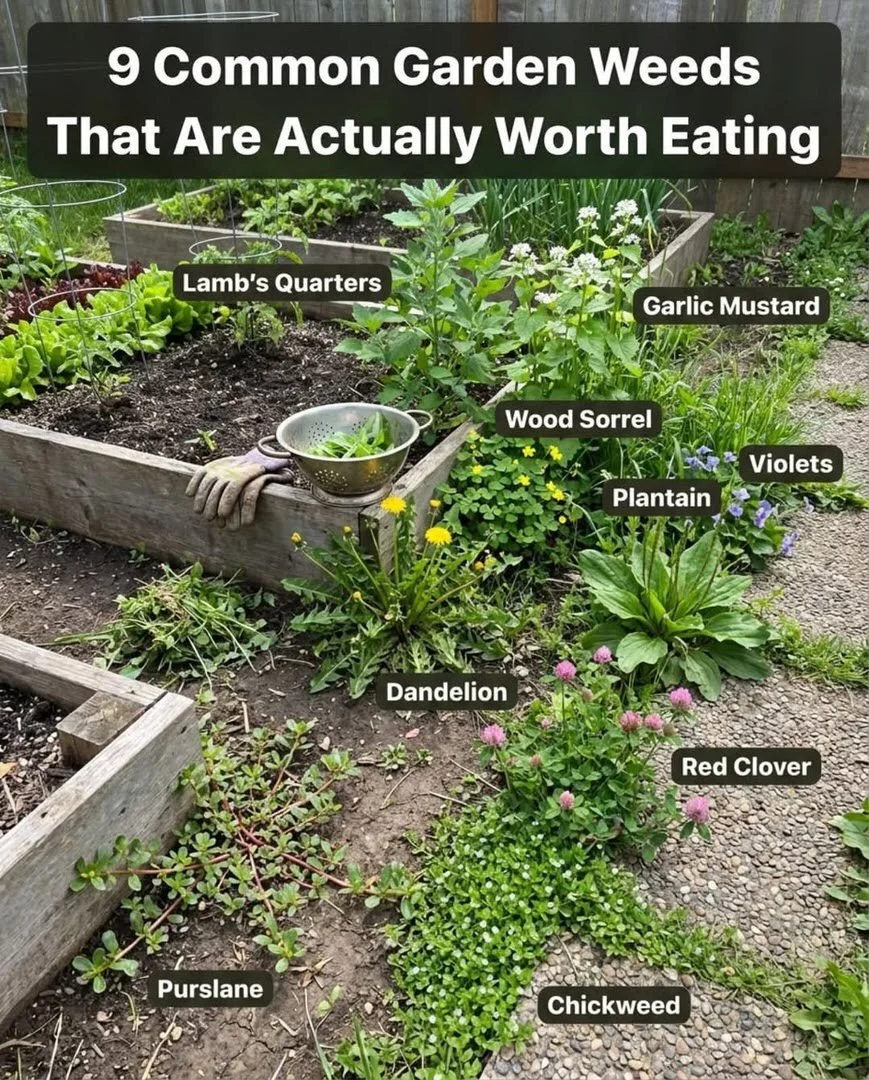
Some of the most common ones include dandelion, chickweed, plantain, violets, red clover, wood sorrel, purslane, garlic mustard, and lamb’s quarters. Most of them are edible. Many of them are medicinal. All of them deserve respect.
The more I learn, the more I realize how little I knew.
Learning Before Harvesting
Let me say this clearly. Not everything green is safe to eat. Identification matters. Location matters. Soil quality matters.
I never harvest from roadsides, treated lawns, or anywhere I cannot confirm is clean. I take my time learning a plant before I ever use it. I look at leaf shape, growth pattern, flower structure, and season. If I am unsure, I leave it alone.
There is wisdom in restraint.
But once you begin to confidently identify these plants, something changes. You start noticing patterns. Chickweed thrives in cooler months. Dandelion pops up generously in early spring. Violets carpet shaded areas. Lamb’s quarters appear as the weather warms.
Nature is rhythmic. It is not random.
And many of these plants are deeply nourishing. Lamb’s quarters is often called wild spinach. Purslane contains healthy fatty acids. Dandelion leaves support digestion. Plantain leaves soothe irritated skin.
It’s humbling to realize we’ve been stepping over valuable plants for years.
A Different Way to See Your Yard
This is not about turning your lawn into a buffet. It is about shifting perspective.
When you begin to see the land differently, you begin to live differently. You move slower. You observe more. You ask questions before pulling something out by the root.
I believe there is intention woven into creation. I believe provision often grows quietly. I believe we are meant to steward, not dominate.
The next time you see a patch of dandelion or chickweed, pause before you reach for chemicals. Ask what it might be offering.
Sometimes the plants we overlook are the ones designed to support us most.
And sometimes learning to recognize them feels like uncovering a gift that was there all along.